Introduction
Choosing the right smart switch is not just about replacing a wall switch with something that connects to an app. The better question is whether the switch fits your wiring, your lighting load, your preferred smart-home platform, and the way you actually use the room every day.
For this Top 6 Best Smart Switch Reviews for 2026 guide, I focused on useful smart electrical controls for common home upgrades: standard light switching, dimming, Matter support, no-neutral wiring, multi-way circuits, fan control, and advanced Z-Wave automation. I also paid close attention to whether each product is a true wall switch, a dimmer, a relay-style control, or a close alternative for a specific installation need.
Quick Summary
For most homes, I think the best smart switch is a Matter-compatible Wi-Fi wall switch because it gives you app control, voice-control potential, and better long-term smart-home flexibility. My top recommendation is the Matter Smart Wi-Fi Light Switch, Single-Pole/3-Way/4-Way because it covers the most common switch wiring scenarios in one product. For dimming, I would look at the Matter Smart Wi-Fi Dimmer Switch, while older homes without a neutral wire should start with the Decora Smart No-Neutral Wi-Fi Switch.
Top Product List
Matter Smart Wi-Fi Light Switch, Single-Pole/3-Way/4-Way — Best for flexible wall-switch wiring
Matter Smart Wi-Fi Dimmer Switch — Best for smart dimming
Decora Smart Wi-Fi 2nd Gen Switch with Matter — Best premium Matter wall switch
Decora Smart No-Neutral Wi-Fi Switch — Best for no-neutral installations
Smart Ceiling Fan Control and Light Dimmer Switch — Best for fan and light control
Red Series 2-1 Smart Switch / Dimmer, Z-Wave 800 — Best for Z-Wave smart homes
Top 6 Best Smart Switch Reviews for 2026
Matter Smart Wi-Fi Light Switch, Single-Pole/3-Way/4-Way
Short Description
The Matter Smart Wi-Fi Light Switch, Single-Pole/3-Way/4-Way is my best overall pick for this list because it directly fits the broad “smart switch” keyword while covering several common wiring situations. It is especially useful when you want one smart switch option that can work in single-pole, 3-way, or 4-way style lighting setups.
Key Specifications
- Product/control type: smart Wi-Fi light switch
- Wiring/use case: single-pole, 3-way, and 4-way named support
- Connectivity: Wi-Fi
- Smart-home feature: Matter support
- Best use: wall lighting circuits where flexible switch-location support matters
- Installation type: in-wall replacement switch
Pros
- Strong match for a general smart switch upgrade
- Covers more wiring situations than a basic single-pole-only switch
- Matter support makes it a future-friendly smart-home choice
- Good fit for hallways, staircases, and rooms with multiple switch locations
Cons
- It is an on/off light switch, not a dimmer
- Wiring should be checked carefully before installation
- Not the right pick for ceiling-fan speed control
My Experience
From an electrical-control perspective, this is the kind of product I like to recommend first when someone is not sure whether their circuit is single-pole or multi-location. A standard smart switch can become frustrating if you later discover the light is controlled from two or three wall locations. This product’s single-pole/3-way/4-way positioning makes it a safer starting point for many homes.
I would still verify the wall-box wiring before buying. Smart switches can be more demanding than mechanical switches, and multi-way circuits are often confusing because traveler wires and line/load positions vary by house.
What Other Buyers Say
Buyers usually value this type of switch when it solves a real wiring problem, especially in stairways, entry halls, and larger rooms. The most common positive theme I see with flexible smart switches is convenience: people like being able to keep familiar wall control while adding schedules, app control, and smart-home automation.
Best For
This is best for homeowners who want one practical smart light switch for different wall-switch layouts, especially where single-pole, 3-way, or 4-way compatibility matters.
➤➤➤ Click Here to Check Price on Amazon
Matter Smart Wi-Fi Dimmer Switch
Short Description
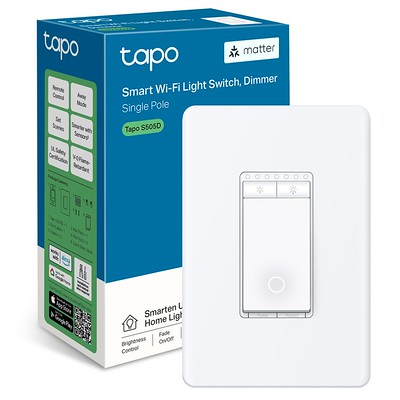
The Matter Smart Wi-Fi Dimmer Switch is the better option if your main goal is light-level control instead of basic on/off switching. It is a close match for the broad keyword because it is still a smart switch, but its real advantage is dimming compatible lighting rather than simply turning lights on and off.
Key Specifications
- Product/control type: smart Wi-Fi dimmer switch
- Control function: dimming
- Connectivity: Wi-Fi
- Smart-home feature: Matter support
- Best use: dimmable lighting circuits
- Installation type: in-wall dimmer replacement
Pros
- Adds brightness control, not just on/off control
- Matter support improves smart-home flexibility
- Good fit for bedrooms, dining rooms, living rooms, and media rooms
- Useful for scenes and schedules with different brightness levels
Cons
- Requires compatible dimmable bulbs or fixtures
- Not suitable for non-dimmable lighting loads
- Not designed for fan-speed control
My Experience
I prefer a dimmer switch over a basic smart switch in rooms where lighting mood matters. In a living room or bedroom, app control is helpful, but dimming is what makes the automation feel more polished. For example, evening scenes, low-brightness night lighting, and gradual routines all depend on dimming rather than simple switching.
The main thing I would check is the fixture and bulb type. Not every LED bulb behaves well with every dimmer, so I would avoid pairing this with unknown or non-dimmable bulbs.
What Other Buyers Say
Buyer feedback around smart dimmers often centers on smoother routines and better room comfort. People usually like being able to set brightness from an app or voice assistant, while the most common complaints with dimmers tend to involve bulb compatibility, flicker, or setup details when the load is not well matched.
Best For
This is best for anyone who wants smart control over dimmable lights in comfort-focused rooms such as bedrooms, living rooms, dining rooms, and home theaters.
➤➤➤ Click Here to Check Price on Amazon
Decora Smart Wi-Fi 2nd Gen Switch with Matter
Short Description
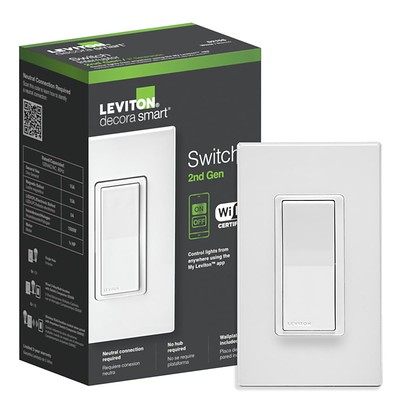
The Decora Smart Wi-Fi 2nd Gen Switch with Matter is a strong premium-style pick for people who want a modern Decora-style wall switch with Matter support. It is an exact category match for this keyword because it is a smart wall switch built for lighting control.
Key Specifications
- Product/control type: smart Wi-Fi wall switch
- Smart-home feature: Matter support
- Connectivity: Wi-Fi
- Style: Decora-style wall control
- Best use: modern smart-home light switching
- Installation type: in-wall switch replacement
Pros
- Matter support for broader smart-home integration
- Clean Decora-style form factor
- Better choice than a plug-in module for permanent lighting circuits
- Good for users who want a refined wall-switch look
Cons
- It is not listed as a dimmer
- No-neutral installations should choose a no-neutral model instead
- May be more than needed for a simple budget switch replacement
My Experience
I see this as a good option for someone building a smart-home system with long-term compatibility in mind. Matter support matters most when you want more flexibility across ecosystems and do not want every device locked into one narrow platform. For a fixed wall-lighting circuit, a real in-wall smart switch also feels cleaner than using smart bulbs everywhere.
I would choose this over a cheaper generic switch when appearance, ecosystem flexibility, and long-term consistency matter more than the lowest upfront cost.
What Other Buyers Say
People who buy Decora-style smart switches often care about the finished wall appearance as much as the app features. Positive feedback usually focuses on clean installation, convenient control, and the ability to keep normal wall-switch behavior. Common concerns with any in-wall smart switch include installation complexity and confirming wiring before setup.
Best For
This is best for smart-home users who want a clean-looking Matter wall switch for everyday lighting control in main living areas.
➤➤➤ Click Here to Check Price on Amazon
Decora Smart No-Neutral Wi-Fi Switch
Short Description
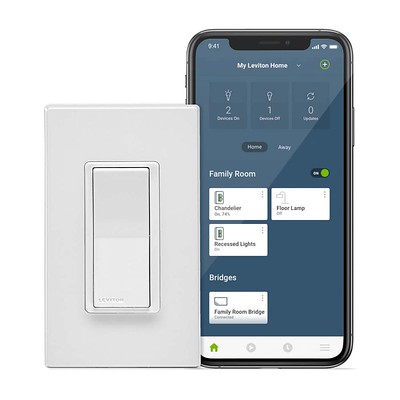
The Decora Smart No-Neutral Wi-Fi Switch is the best pick here for older homes or wall boxes where a neutral wire is not available. It is a smart light switch rather than a dimmer, and its standout advantage is the no-neutral requirement.
Key Specifications
- Product/control type: smart Wi-Fi switch
- Wiring feature: no-neutral design
- Style: Decora-style wall switch
- Connectivity: Wi-Fi
- Best use: light-switch locations without a neutral wire
- Installation type: in-wall replacement switch
Pros
- Designed for no-neutral installations
- Useful for older homes where neutral wires are missing in switch boxes
- Cleaner than relying only on smart bulbs
- Good fit for basic smart on/off lighting control
Cons
- Not a dimmer
- No-neutral smart switches may have more specific load requirements
- Wiring still needs careful verification before installation
My Experience
No-neutral compatibility is one of the first things I check before recommending any smart switch. Many older homes have switch boxes with line, load, and ground but no neutral bundle. In that situation, a standard smart switch may not work at all, so a no-neutral model can save a lot of frustration.
I would use this for straightforward on/off lighting where smart control is the goal, not brightness control. For dimming in a no-neutral box, I would specifically choose a no-neutral dimmer instead of assuming this switch can dim.
What Other Buyers Say
Buyers with older homes often appreciate no-neutral smart switches because they avoid rewiring the circuit just to add app control. The recurring caution is that installation requirements still matter; people should identify wiring correctly and confirm the controlled load is suitable.
Best For
This is best for older homes, apartments, and retrofit projects where the wall switch box does not have a neutral wire.
➤➤➤ Click Here to Check Price on Amazon
Smart Ceiling Fan Control and Light Dimmer Switch
Short Description
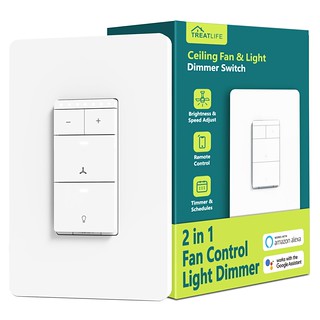
The Smart Ceiling Fan Control and Light Dimmer Switch is a close alternative for the broad smart switch keyword, but it is the best choice in this article when the switch controls both a ceiling fan and a light. A normal smart light switch should not be used as a fan-speed controller unless the product is specifically designed for that load.
Key Specifications
- Product/control type: smart ceiling fan control and light dimmer switch
- Control functions: fan control and light dimming
- Best use: ceiling fan with light fixture
- Installation type: in-wall control
- Load/use case: fan and light control rather than basic light switching
Pros
- Purpose-built for fan and light control
- Better match for ceiling fans than a standard light switch
- Combines two common room controls in one smart device
- Useful for bedrooms and living rooms with fan/light fixtures
Cons
- Not the right choice for a simple light-only switch circuit
- Fan wiring must be compatible
- More specialized than a standard smart wall switch
My Experience
This is the product type I would look at when someone asks, “Can I use a smart switch for my ceiling fan?” My answer is usually: not a basic light switch. Fan motors need the right kind of control, and dimming a light kit is a separate function from controlling fan speed. That is why a dedicated fan-and-light controller makes more sense.
I would check the fan wiring carefully before choosing it. Some ceiling fans have separate wall controls for fan and light, while others rely on pull chains or remote modules. Matching the control method matters.
What Other Buyers Say
Buyers usually like fan-and-light smart controls when they reduce wall clutter and make bedroom comfort easier to manage. Common positive themes include convenience, fewer manual adjustments, and better control from bed or across the room. The main limitation is that installation can be more specific than replacing a basic switch.
Best For
This is best for bedrooms, living rooms, and family rooms where one wall location needs to control both a ceiling fan and its light.
➤➤➤ Click Here to Check Price on Amazon
Red Series 2-1 Smart Switch / Dimmer, Z-Wave 800
Short Description
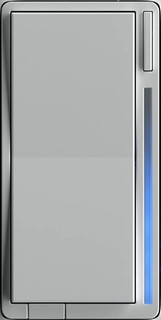
The Red Series 2-1 Smart Switch / Dimmer, Z-Wave 800 is my advanced smart-home pick. It is best for users who already prefer Z-Wave or want a switch/dimmer product that fits deeper automation setups instead of basic Wi-Fi-only control.
Key Specifications
- Product/control type: smart switch / dimmer
- Connectivity: Z-Wave 800
- Control function: switch and dimmer positioning
- Best use: Z-Wave smart-home systems
- Installation type: in-wall smart control
Pros
- Strong choice for Z-Wave ecosystems
- Switch/dimmer flexibility
- Better fit for advanced automation users than a basic Wi-Fi switch
- Good option for smart homes built around a hub
Cons
- Requires a compatible Z-Wave setup
- More advanced than casual users may need
- Not the simplest option for a first smart switch
My Experience
I see this as the enthusiast pick. Wi-Fi switches are easy to understand, but Z-Wave switches often appeal to users who want a more structured smart-home network with hub-based automation. The Z-Wave 800 naming also positions it as a modern Z-Wave option for people who care about protocol generation.
I would not recommend this as the first choice for someone who only wants one switch controlled by a phone app. But for Home Assistant-style users or anyone already invested in Z-Wave, it is much more interesting.
What Other Buyers Say
Advanced smart-home buyers often prefer Z-Wave switches for hub integration, local-style automation possibilities, and reduced dependence on Wi-Fi congestion. The usual tradeoff is setup complexity: you need a compatible controller and some comfort with pairing and automation rules.
Best For
This is best for Z-Wave users, smart-home enthusiasts, and people who want a more advanced in-wall control for automation-heavy lighting.
➤➤➤ Click Here to Check Price on Amazon
How to Choose the Right Smart Switch or Electrical Control
Start with the circuit type. A single-pole switch controls one light from one wall location. A 3-way circuit controls one light from two locations, and a 4-way setup adds more locations. Buying a single-pole-only smart switch for a staircase or hallway circuit can create installation problems, so I always check this first.
Next, look for a neutral wire. Many smart switches need neutral power in the wall box. Older homes may not have it, which is why a no-neutral model can be the difference between a clean installation and a dead-end project.
For dimming, make sure you are buying a dimmer, not just a switch. Also confirm your bulbs or fixtures are dimmable. LED compatibility matters because a poor match can lead to flicker, buzzing, limited dimming range, or lights that do not turn off cleanly.
For fans, do not assume a light switch can control a fan motor. Use a dedicated smart fan-speed controller or fan/light control when the load includes a ceiling fan.
For smart-home platforms, Matter is attractive if you want broader ecosystem flexibility. Wi-Fi is simple for many homes, while Z-Wave is better suited to hub-based systems and more advanced automation. If you already have a hub, choose a switch that fits that ecosystem. If you do not, a Wi-Fi or Matter Wi-Fi switch may be easier.
Finally, think about reliability and daily use. A good smart switch should still work from the wall like a normal switch, respond consistently through the app or automation platform, and fit cleanly in the electrical box. When in doubt, I would rather choose the switch that matches the wiring and load correctly than the one with the longest feature list.
FAQs
What is the best smart switch for most homes in 2026?
For most homes, I would start with the Matter Smart Wi-Fi Light Switch, Single-Pole/3-Way/4-Way because it covers basic smart lighting control and supports several common wiring layouts.
Do I need a neutral wire for a smart switch?
Many smart switches need a neutral wire, but not all of them do. If your switch box lacks a neutral, choose a product specifically labeled no-neutral, such as the Decora Smart No-Neutral Wi-Fi Switch.
Is a smart dimmer better than a smart switch?
A smart dimmer is better if you want brightness control, scenes, and softer lighting. A standard smart switch is better for simple on/off control or non-dimmable loads.
Can I use a smart light switch for a ceiling fan?
Not unless the product is designed for fan control. For ceiling fans, I would choose a dedicated fan controller or a fan-and-light product like the Smart Ceiling Fan Control and Light Dimmer Switch.
Is Matter worth choosing for a smart switch?
Matter is worth considering if you want better smart-home flexibility across supported ecosystems. It is especially useful when you do not want every device tied to one narrow app or platform.
Conclusion
The best smart switch depends on the circuit, wiring, load, and ecosystem. For a broad smart lighting upgrade, the Matter Smart Wi-Fi Light Switch, Single-Pole/3-Way/4-Way is my Best Overall because it fits several common wall-switch layouts. The Matter Smart Wi-Fi Dimmer Switch is my Best Value choice for rooms where dimming adds real daily comfort. The Red Series 2-1 Smart Switch / Dimmer, Z-Wave 800 is my Best Premium Choice for advanced smart-home users who want Z-Wave control and deeper automation potential.