Introduction
A good home theater is not only about the projector, TV, receiver, speakers, or subwoofer. Lighting and power control matter just as much. I want a theater room to feel simple: one tap to dim the lights, turn on accent lighting, power up accessories, or shut everything down when the movie ends.
For this guide, I focused on smart switches and electrical controls that make sense around a home theater: dimmers for room lighting, smart power strips for AV accessories, in-wall outlets for cleaner installs, fan/light control for media rooms, and relay control for custom automation. Not every product is a pure “home theater switch,” so I explain where each one fits best.
Quick Summary
For most home theater rooms, I would start with a reliable smart dimmer for the main lights, then add smart outlet or power-strip control for lamps, LED accents, and non-critical accessories. My top recommendation is the Caseta Wireless Smart Lighting Dimmer Switch because dimming is usually the most important upgrade in a theater space.
Top Product List
Caseta Wireless Smart Lighting Dimmer Switch — Best for main theater lighting
Matter Smart Wi-Fi Dimmer Switch — Best for Matter-friendly dimming
Smart Ceiling Fan Control and Light Dimmer Switch — Best for media rooms with fan and light control
Wi-Fi Smart Power Strip with 6 Outlets — Best for AV accessory control
Wi-Fi In-Wall Smart Outlet — Best for a cleaner wall-powered setup
1PM Gen4 Smart Relay with Power Metering — Best for custom hidden control
Top 6 Best Smart Switches For Home Theater for 2026
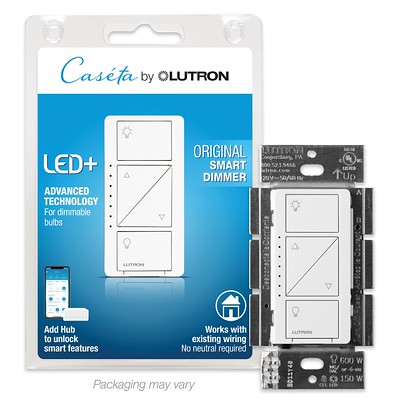
Caseta Wireless Smart Lighting Dimmer Switch
Short Description
The Caseta Wireless Smart Lighting Dimmer Switch is my best overall pick for a home theater because dimming is the first thing I want in a movie room. It is a closer fit for theater lighting than a basic on/off switch because it helps create soft pre-show, movie, and cleanup lighting scenes.
Key Specifications
- Product/control type: smart lighting dimmer switch
- Intended use: in-wall lighting dimming
- Smart lighting category: dimmer switch
- Best role in a theater: main room lights, sconces, or ceiling lighting
- Close alternative note: not a power strip or outlet controller
Pros
- Better suited to theater ambience than a simple on/off switch
- Good fit for lights that need scene-based dimming
- Helps reduce harsh overhead lighting during movies
Cons
- Not intended for directly controlling AV receivers or theater electronics
- Dimming compatibility should be checked against the actual bulbs and fixture
- Installation may require comfort with in-wall wiring
My Experience
From an electrical-control perspective, this is the type of product I would prioritize before adding plugs or outlets. In a home theater, the main frustration is usually not turning lights on; it is getting the brightness right. A dedicated smart dimmer can make the room feel more intentional, especially when paired with voice routines or app scenes.
What Other Buyers Say
I do not have verified review text in the product database, so I will not invent buyer quotes. For this kind of product, buyers typically pay close attention to dimming smoothness, app control, installation complexity, and how reliably the switch responds from scenes or voice assistants.
Best For
This is best for the main theater lighting circuit, especially if you want dimmed lights before a movie starts and low-level lighting when people move around the room.
➤➤➤ Click Here to Check Price on Amazon
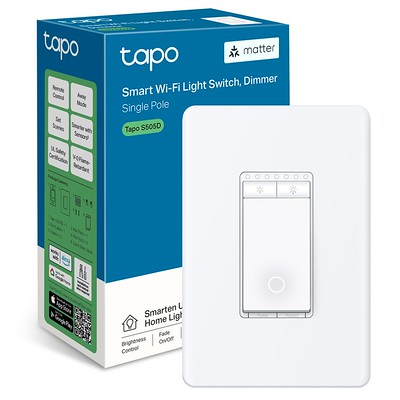
Matter Smart Wi-Fi Dimmer Switch
Short Description
The Matter Smart Wi-Fi Dimmer Switch is a strong choice if you want a theater lighting control that includes Matter in the product name. It is an exact match for smart dimming needs and a close match for home theater use because it focuses on lighting atmosphere.
Key Specifications
- Product/control type: smart Wi-Fi dimmer switch
- Connectivity: Wi-Fi
- Smart-home protocol: Matter
- Intended use: dimmable lighting control
- Best role in a theater: smart scenes for overhead lights or wall lights
Pros
- Matter support is useful for modern smart-home setups
- Dimming is ideal for home theater ambience
- Wi-Fi design may reduce the need for a separate protocol hub
Cons
- Neutral-wire, load, and fixture compatibility should be confirmed before installation
- Not designed as a full AV power-management device
- Works best when the home Wi-Fi network is reliable
My Experience
I like this type of switch for people building a newer smart home around Matter. For a theater room, Matter can be helpful when the lights need to work across different smart-home platforms. I would still verify the wiring and bulb compatibility first, because dimmer performance depends heavily on the circuit and lighting load.
What Other Buyers Say
Without verified buyer-review text, I cannot claim specific review patterns. In general, buyers of Matter dimmers tend to focus on pairing, platform compatibility, dimming range, and whether the switch stays connected consistently.
Best For
Choose this for a home theater where Matter compatibility is more important than using a brand-specific lighting ecosystem.
➤➤➤ Click Here to Check Price on Amazon
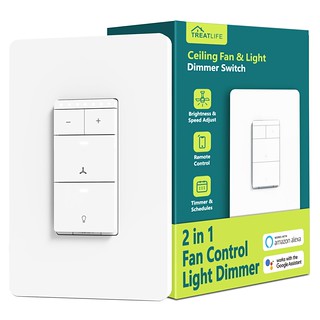
Smart Ceiling Fan Control and Light Dimmer Switch
Short Description
The Smart Ceiling Fan Control and Light Dimmer Switch is the best fit here for a media room that has both a fan and light fixture. In a theater space, fan noise and lighting brightness both matter, so a combined control can be more convenient than separate switches.
Key Specifications
- Product/control type: ceiling fan control and light dimmer switch
- Control functions: fan control and light dimming
- Intended use: ceiling fan and light fixtures
- Best role in a theater: rooms where air movement and lighting are both controlled from the wall
- Close alternative note: not for every theater room, only fan/light setups
Pros
- Combines two common room controls
- Useful for media rooms that get warm during long viewing sessions
- Light dimming supports movie-room ambience
Cons
- Only relevant if the theater has a compatible ceiling fan/light setup
- Fan motor and light load compatibility should be checked
- Not a substitute for AV equipment power control
My Experience
I see this as a practical comfort upgrade. A theater can become warm when several people, amplifiers, consoles, and displays are running. A smart fan/light control lets the room stay comfortable without needing bright lighting or separate wall controls.
What Other Buyers Say
I do not have verified review excerpts for this product. For fan/light smart controls, buyers usually care about speed control, light dimming behavior, wiring fit, and whether the controls are easy for guests to understand.
Best For
This is best for home theater rooms, media rooms, and bonus rooms with a ceiling fan and light combination.
➤➤➤ Click Here to Check Price on Amazon
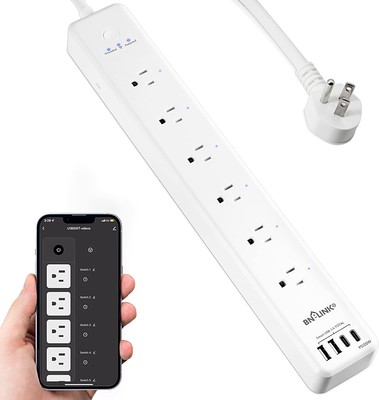
Wi-Fi Smart Power Strip with 6 Outlets
Short Description
The Wi-Fi Smart Power Strip with 6 Outlets is the best choice in this list for controlling multiple theater accessories from one place. I would use it for non-critical devices such as bias lights, LED strips, small lamps, media accessories, or chargers.
Key Specifications
- Product/control type: Wi-Fi smart power strip
- Outlets: 6
- Intended use: multi-device plug-in power control
- Best role in a theater: accessory power automation
- Close alternative note: not an in-wall switch
Pros
- Six outlets give flexibility for theater accessories
- Good for grouped power control
- Useful when you do not want to replace wall wiring
Cons
- Not ideal for every high-power AV component
- Cable management can still be a challenge behind a console
- Should not be overloaded beyond its rated use
My Experience
For home theaters, I prefer using a smart power strip for accessories rather than the main receiver or display unless the product rating and device requirements clearly support it. It is especially useful for bias lighting, small streaming accessories, and decorative lighting that should turn off automatically after movie night.
What Other Buyers Say
I do not have verified buyer-review text for this product. For smart power strips, buyers commonly evaluate outlet spacing, app control, Wi-Fi reliability, and whether the strip reduces the number of separate smart plugs needed.
Best For
This is best for theater consoles, media cabinets, LED accents, lamps, and low-to-moderate power accessories that benefit from grouped smart control.
➤➤➤ Click Here to Check Price on Amazon
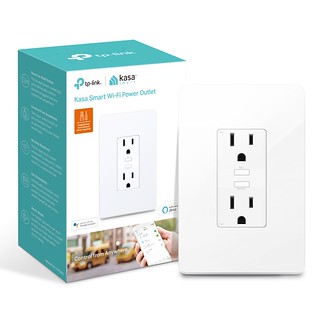
Wi-Fi In-Wall Smart Outlet
Short Description
The Wi-Fi In-Wall Smart Outlet is a cleaner alternative to plug-in smart adapters. For a home theater, it can help when you want smart control at the wall without bulky devices sticking out behind furniture.
Key Specifications
- Product/control type: Wi-Fi in-wall smart outlet
- Installation style: in-wall receptacle
- Intended use: smart outlet control
- Best role in a theater: lamps, accent lighting, or wall-powered accessories
- Close alternative note: not a lighting dimmer
Pros
- Cleaner look than plug-in smart plugs
- Good for permanent theater-room setups
- Wi-Fi control is convenient for app-based automation
Cons
- Requires in-wall outlet replacement
- Not suitable for users who want a no-install plug-in option
- Load rating and local electrical code should be checked before installation
My Experience
I like in-wall smart outlets when the room design matters. Behind a recliner, side table, or media cabinet, bulky adapters can look messy or block nearby plugs. A smart receptacle keeps the setup cleaner, though I would still reserve it for appropriate loads and avoid guessing about equipment power requirements.
What Other Buyers Say
I do not have verified review text for this specific outlet. Buyers usually focus on installation fit, app reliability, outlet control behavior, and whether the outlet looks clean after installation.
Best For
This is best for theater side lamps, accent lighting, or low-profile wall-powered accessories where a plug-in module would look messy.
➤➤➤ Click Here to Check Price on Amazon
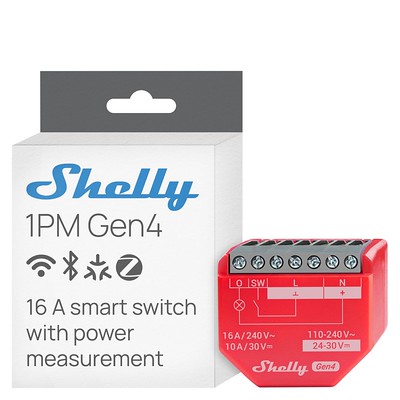
1PM Gen4 Smart Relay with Power Metering
Short Description
The 1PM Gen4 Smart Relay with Power Metering is the most custom-install option on this list. It is a close alternative for home theater users who want hidden control rather than a visible wall switch, outlet, or power strip.
Key Specifications
- Product/control type: smart relay
- Feature: power metering
- Intended use: hidden electrical control
- Best role in a theater: custom circuits, cabinet lighting, or monitored accessory loads
- Close alternative note: requires more installation planning than plug-in products
Pros
- Hidden relay format can keep the theater setup clean
- Power metering is useful when you want visibility into connected load behavior
- Good fit for advanced automation projects
Cons
- More installation knowledge is required
- Not as simple as a plug-in smart power strip
- Wiring, enclosure, and load compatibility must be verified carefully
My Experience
This is the product I would consider for a more advanced theater build. A relay can be excellent for hidden cabinet lights, specialty accent lighting, or a controlled circuit where a standard wall switch is not the best interface. Because it involves wiring, I would treat planning and electrical safety as more important than convenience.
What Other Buyers Say
I do not have verified buyer-review text for this relay. For smart relays with power metering, buyers often care about setup complexity, automation flexibility, compact installation, and whether energy monitoring is useful in daily use.
Best For
This is best for advanced home theater automation, hidden lighting control, cabinet installations, and users who want power metering rather than a basic switch.
➤➤➤ Click Here to Check Price on Amazon
How to Choose the Right Smart Switch or Electrical Control
For a home theater, start with the lighting plan. If the main goal is movie ambience, choose a smart dimmer before anything else. Dimming matters more than simple on/off control because it lets you create scenes for previews, movie time, intermission, and cleanup.
Next, separate lighting control from equipment power. AV receivers, projectors, amplifiers, gaming PCs, and subwoofers can have specific power requirements, so I do not recommend randomly placing high-demand gear on a smart plug or strip without checking the electrical rating. Smart power strips are better for accessories, lamps, LED accents, and chargers.
Wiring also matters. In-wall dimmers, outlets, and relays may require a neutral wire, proper box space, and compatible loads. Fan controls should only be used with suitable fan/light setups. For a theater room, reliability is more important than adding too many devices, so I would rather use fewer well-chosen controls than overload the room with unnecessary automation.
Connectivity is another consideration. Wi-Fi products are convenient, Matter products can help with cross-platform smart-home control, and relay-style products are better for custom installs. The best choice depends on whether you want simple app control, voice scenes, hidden automation, or a clean in-wall finish.
FAQs
What is the best smart switch type for a home theater?
A smart dimmer is usually the best first choice because lighting ambience is central to a theater room.
Should I use a smart plug or smart power strip for AV equipment?
Use smart plugs or power strips mainly for accessories unless the device rating clearly supports your AV equipment’s power needs.
Do I need dimming in a home theater?
I strongly recommend it. Dimming helps create a more comfortable viewing experience than basic on/off lighting.
Is Matter useful for home theater smart switches?
Matter can be useful if you want the switch to work across modern smart-home platforms, but wiring and load compatibility still matter.
What is the cleanest smart control option for a theater room?
An in-wall dimmer, in-wall outlet, or hidden relay usually looks cleaner than plug-in adapters, but those options require more installation work.
Conclusion
The best smart switches for a home theater depend on what you want to control. For most rooms, I would start with lighting, then add outlet or power-strip control for accessories. The Best Overall pick is the Caseta Wireless Smart Lighting Dimmer Switch because dimming is the most important theater upgrade. The Best Value pick is the Wi-Fi Smart Power Strip with 6 Outlets because it can control multiple accessories from one device. The Best Premium Choice is the 1PM Gen4 Smart Relay with Power Metering because it supports a cleaner, more customized automation setup.